– Eating Appalachia –
RAMPS
The second in a four-part series examining the unique foods of Southern Appalachia and helping you navigate the menus of Asheville’s restaurants.
BY KAY WEST
***
Ramps are among the first harbingers of spring, prized by chefs weary of a long winter roasting root vegetables. Jason Sellers of Plant restaurant notes that, like morel mushrooms, “ramps are also short season, and here in Western North Carolina, they are cherished because it is a long-standing tradition to harvest and cook them. That speaks volumes for the Appalachian culinary connection in this part of the state.”
Also like morels, ramps rely on foragers to get from the wild to the kitchen. Ramp hunters range from seasoned professionals like forager James Armbruster who make a living from it, to what Sellers affectionately calls ‘retired hippies.’
“They’re slogging through the mud up a hill to get to ramps every spring for a month or a couple weeks,” Sellers says. “They connect on that level. Ramps dig deep into that blooded Appalachian lure.”
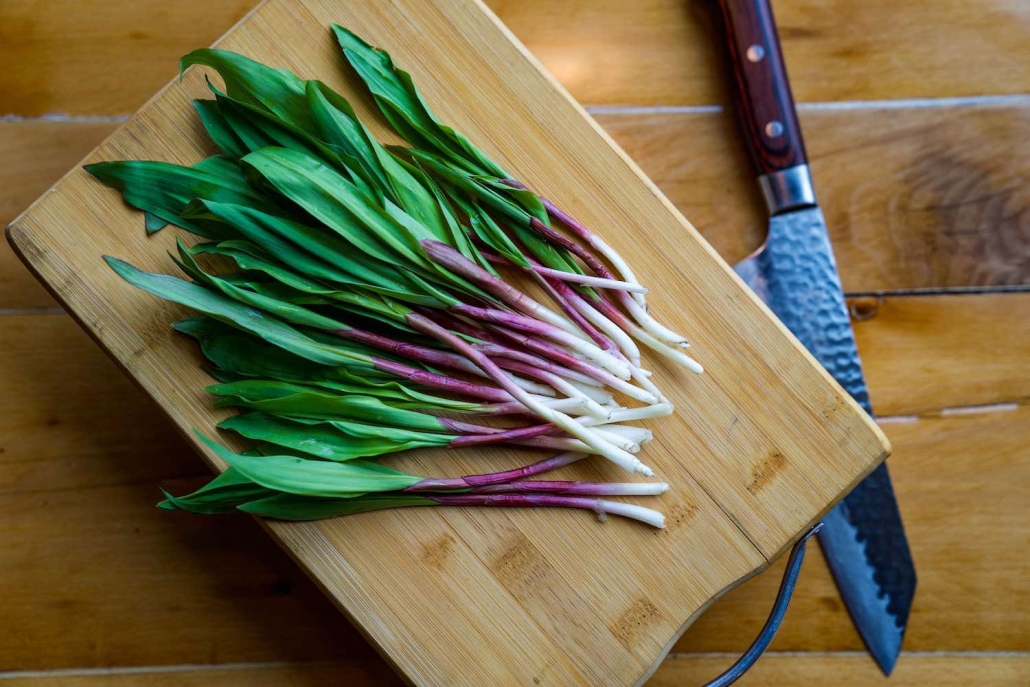
Fresh wild ramps are typically available from late March to May.
Like other restaurant-supplying foragers, Armbruster has places he returns to spring after spring, and he is fiercely adamant about sustainably foraging.
“Ramps have become very trendy and as a result are being depleted,” he says. “I am very, very careful when I forage for those. I don’t dig ramps; I use scissors, I cut above the roots and I take a very small percentage. Most chefs here appreciate that.”
Luke Gilbert and Natalie Dechiara are nature lovers, environmental enthusiasts, dedicated foragers and passionate preservers. Gilbert started Wild Goods as a provider of foraged mushrooms in 2017; when he and Dechiara met and partnered in 2021, she steered Wild Goods into more added-value products such as ramp butter, ramp salt and ramp vinegar, using the kitchen at Red Fiddle Vittles Appalachian Market & Catering.
“Ramps are a big thing for us; ramp butter is our most popular product,” Dechiara says. “Ramps are not here long so it’s a rush to make the products we do.”
The Market Place’s Dissen feels that urgency. “I try to preserve the things that do not last. My freezer now is stocked with wild ramp purée, so we can have that flavor of the wild foods outside of their season. Preservation of food is a very Appalachian tradition.”
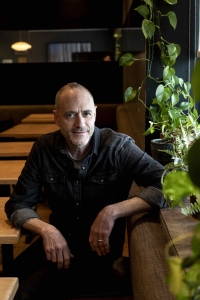
Jason Sellers, chef and owner of Plant